
The latest hydrogen industry news, developments, and community updates.
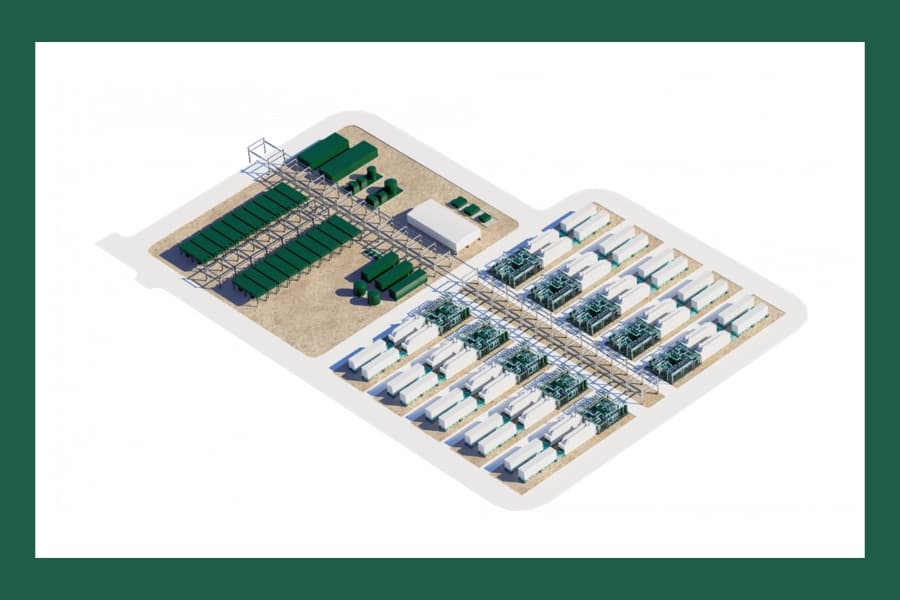
Quest One has added an outdoor installation option to its MHP modular hydrogen platform, eliminating the need for dedicated electrolyzer buildings and reducing project complexity and costs.

Sunfire has unveiled a Generation 3, 50 MW pressurized alkaline electrolyzer system capable of producing up to 1,000 kg/h of green hydrogen, designed to reduce capital costs and accelerate industrial deployment.

Hystar has introduced Orion, a 20 MW PEM electrolyzer cluster designed to standardize deployment and support large-scale green hydrogen production with modular, skid-mounted configuration.

Stiesdal Hydrogen has boosted its alkaline electrolyzer platform to 6.5 MW capacity by doubling current density on its proprietary electrode design, reducing capital expenditure below €500/kW and operational costs by approximately 50%.
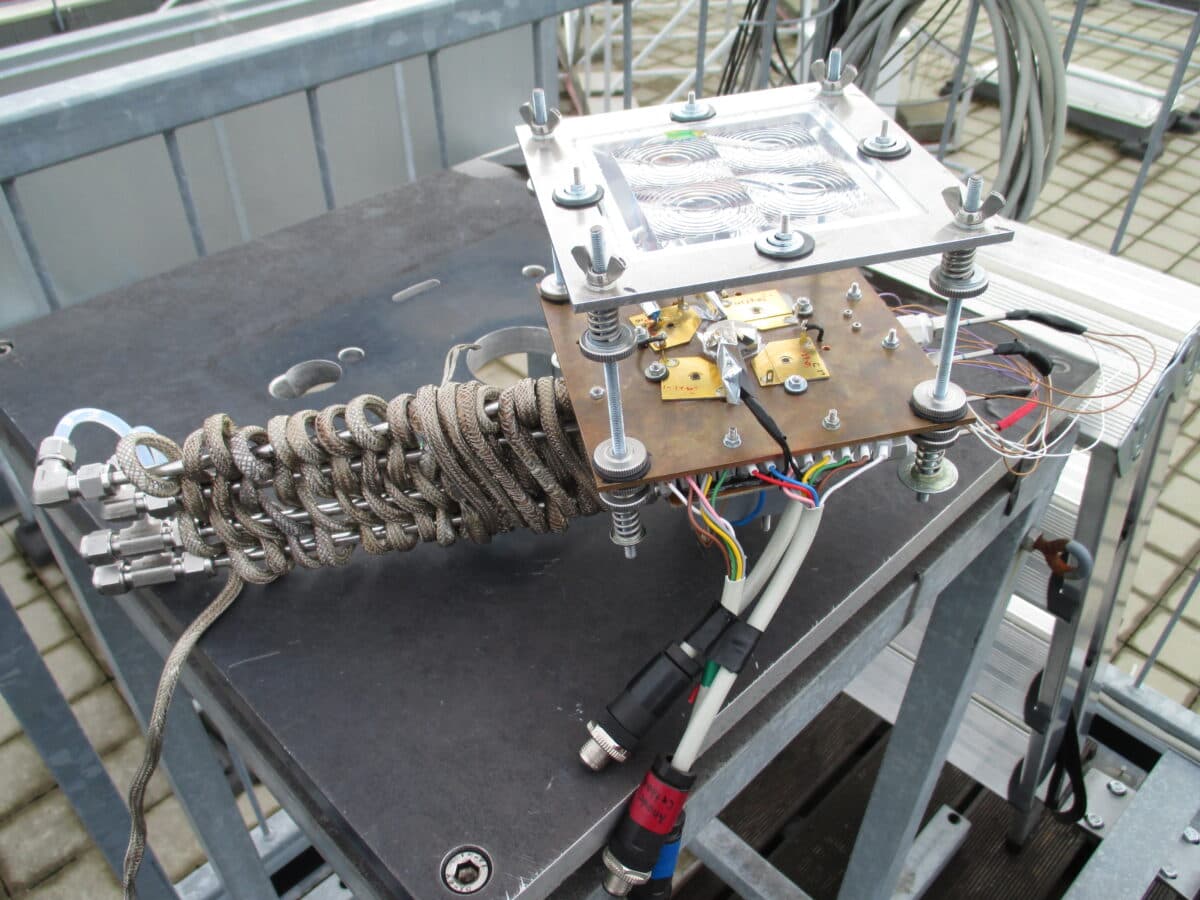
German researchers at Fraunhofer ISE have demonstrated a record solar-to-hydrogen efficiency of 31.3% using a four-junction concentrator photovoltaic system coupled to proton exchange membrane electrolysis under outdoor operating conditions.
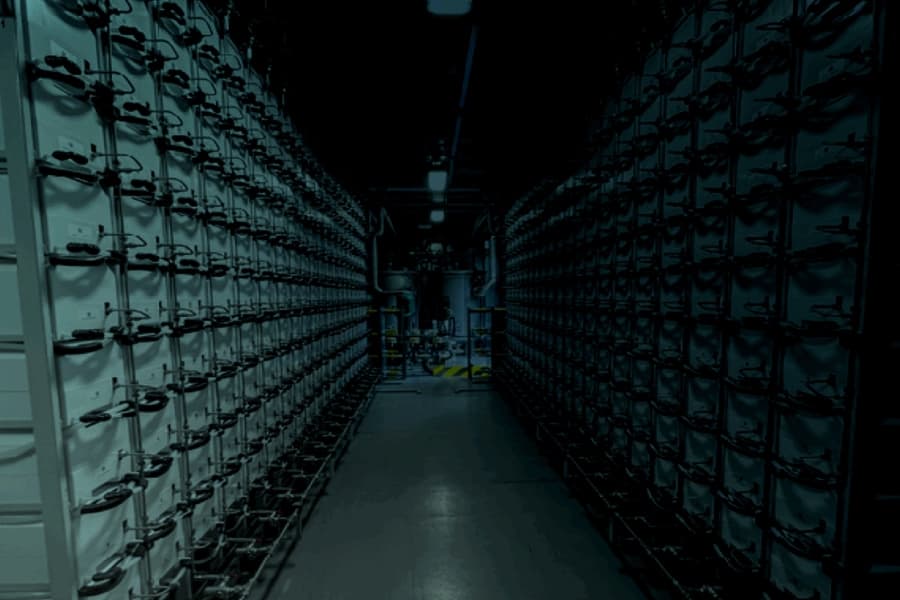
Enapter unveiled its Stack 250 electrolyzer, capable of producing 100 kg of high-purity hydrogen daily and designed for plants with capacities of 100 MW and above across industrial and power applications.
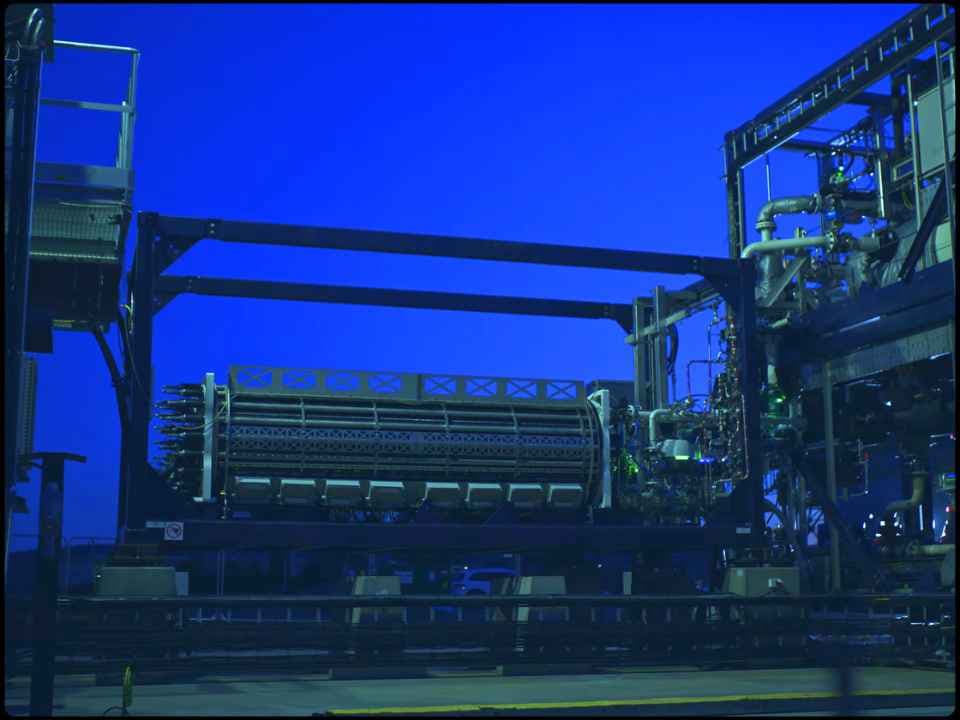
Nel ASA has commercially launched its next-generation pressurized alkaline electrolyser system following eight years of development, targeting a cost of approximately USD 1,450 per kW compared to current industry benchmarks of USD 3,000 per kW.
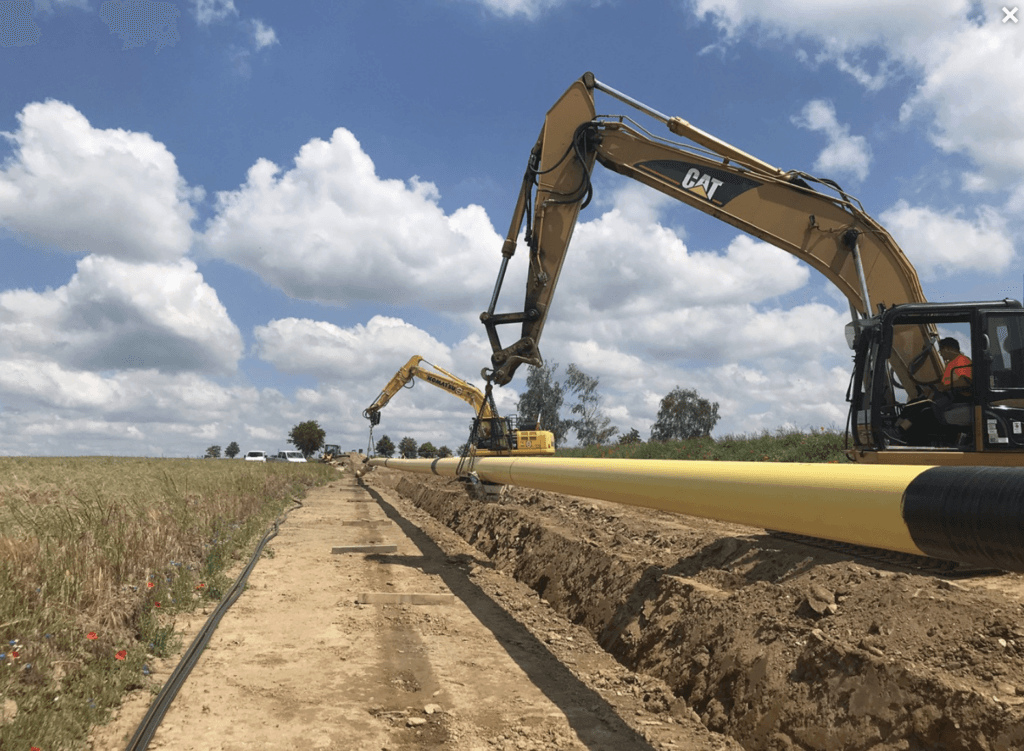
Fraunhofer Institute researchers have created a hydraulic simulation tool to model hydrogen network behavior during disruptions, enabling what-if analyses and identification of vulnerabilities in hydrogen infrastructure.
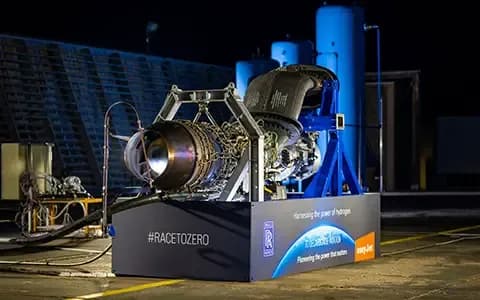
easyJet and Rolls-Royce successfully tested a modified Pearl 15 engine running on pure hydrogen through a complete simulated flight cycle at NASA's Stennis Space Center, demonstrating that modern turbofans can operate on 100% hydrogen under real-world conditions.

H2Fly's CTO announced hydrogen-electric propulsion systems of 350-500 kilowatts could be in production by 2030, with larger 1.2-megawatt systems in development for larger aircraft.
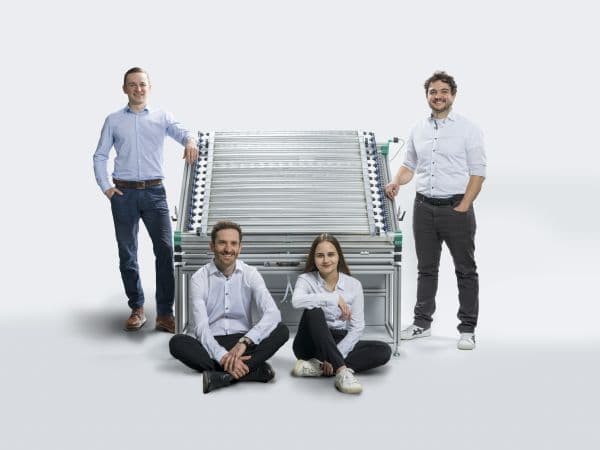
Photreon, a start-up from Karlsruhe Institute of Technology, has developed photoreactor panels that produce hydrogen directly from sunlight and water without electrolyzers or grid connections, offering scalable green hydrogen production for distributed and large-scale applications.

Oman's state-owned PWP agency is soliciting proposals for a technoeconomic assessment of a proposed hydrogen-based independent power project with capacity up to 1 GW. Applications are due June 21, 2026.
