

easyJet and Rolls-Royce Complete Full-Cycle Hydrogen Engine Test at NASA Facility
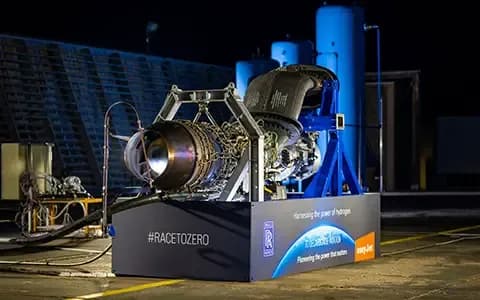
easyJet and Rolls-Royce completed a significant milestone in hydrogen aviation by conducting a full simulated flight cycle test on a modified Pearl 15 engine fueled by pure hydrogen at NASA's Stennis Space Center in Mississippi this month.
The test demonstrated that the engine could operate throughout the entire flight profile—from startup through takeoff thrust to cruise mode—without performance issues. The Pearl 15 engine, typically found in Bombardier Global business jets, was modified with a cryogenic hydrogen fuel system. Liquid hydrogen is vaporized and injected into the combustor through specially designed nozzles, producing thrust comparable to kerosene while emitting only water vapor.
The partnership began in 2022 and follows previous milestones, including a 2023 Pearl combustor test in Germany. The collaboration leverages easyJet's fleet expertise and sustainability targets with Rolls-Royce's combustion engineering capabilities.
The trial addresses several technical challenges specific to hydrogen aviation, including managing hydrogen's higher combustion temperature (2,200°C versus kerosene's 1,900°C) and controlling nitrogen oxide emissions through air-staging. While hydrogen requires approximately four times the storage volume of kerosene and demands robust cryogenic systems, its higher energy density means aircraft use up to 28% less mass per flight.
Industry projections indicate hydrogen aviation could enter commercial service for short-haul routes by the mid-2030s pending regulatory approval. The test supports broader decarbonization goals, as aviation currently accounts for 2–3% of global CO₂ emissions.
Originally reported by Hydrogen Fuel News. Read the full article →