

Spain-Denmark Green Hydrogen Corridor Could Achieve €2/kg Production Costs
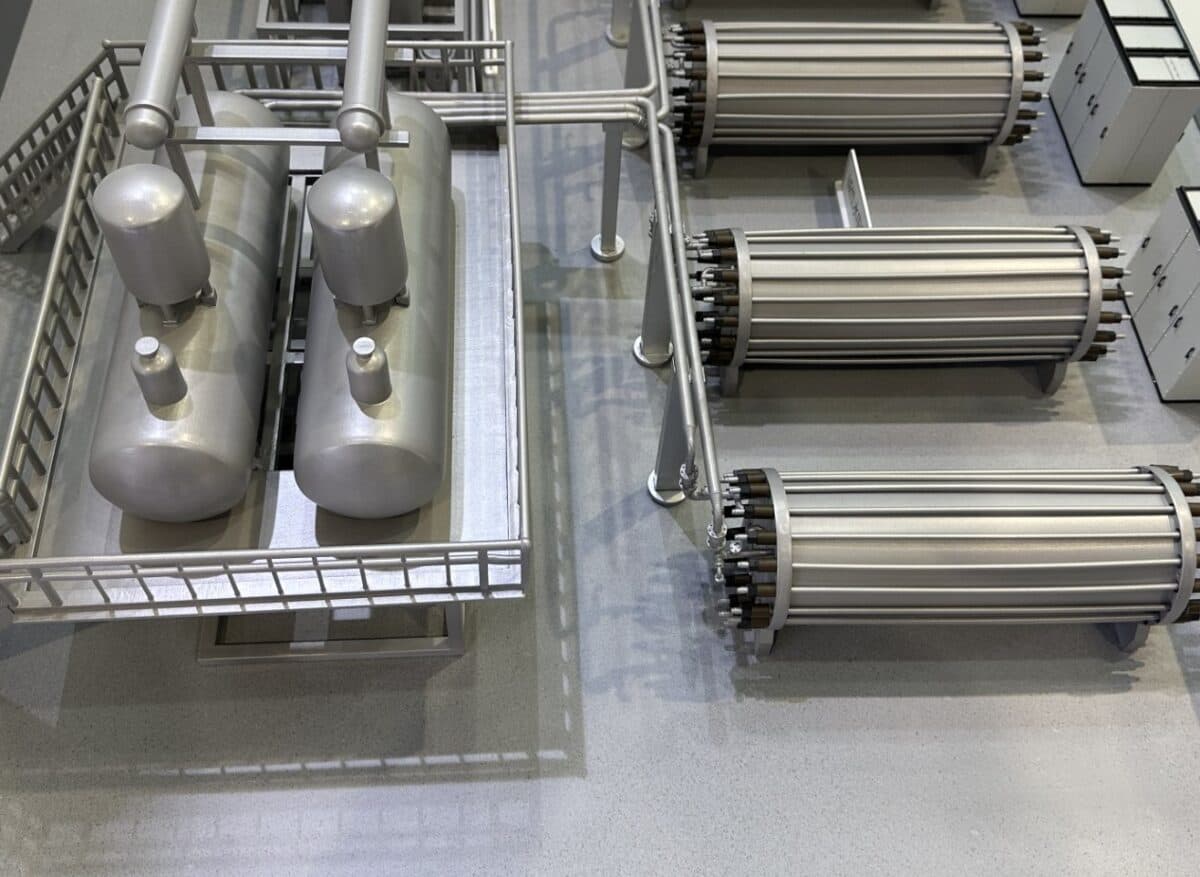
An international research team has developed a techno-economic model demonstrating how Spain and Denmark could establish a European green hydrogen corridor by leveraging their complementary renewable energy resources.
Spain's photovoltaic generation, with yields exceeding 1.7 MWh/kW annually, peaks during summer and daytime hours. Denmark's offshore wind capacity factors exceed 50%, providing stable winter output. This seasonal and temporal complementarity reduces hydrogen production variability and stabilizes export costs to European markets.
Using hourly models based on six years of meteorological data, researchers identified system configurations that minimize levelized hydrogen costs (LCOH) while meeting annual export targets. The study analyzed three storage technologies: salt caverns, pressurized tanks, and liquid organic hydrogen carriers (LOHC).
LOHC systems emerged as the most competitive option, storing and transporting hydrogen in organic liquids at ambient temperature and pressure. Production costs were calculated at approximately €2.15/kg in both countries using LOHC systems, while salt caverns achieved €2.3/kg. Pressurized tanks exceeded €6.7/kg.
The hybrid model combining Spanish photovoltaics with Danish offshore wind and LOHC storage could supply up to 100 TWh annually. Researchers emphasized that storage technology, rather than local renewable resource quality, is the most decisive cost factor. They noted that uncertainties in capital expenditure, equipment lifespan, and storage costs can create variations exceeding 30% in LCOH, requiring coordinated European-level policy support and regulatory frameworks.
Originally reported by PV Magazine. Read the full article →