

German researchers develop hydrogen cycle engine with 60% efficiency and zero emissions
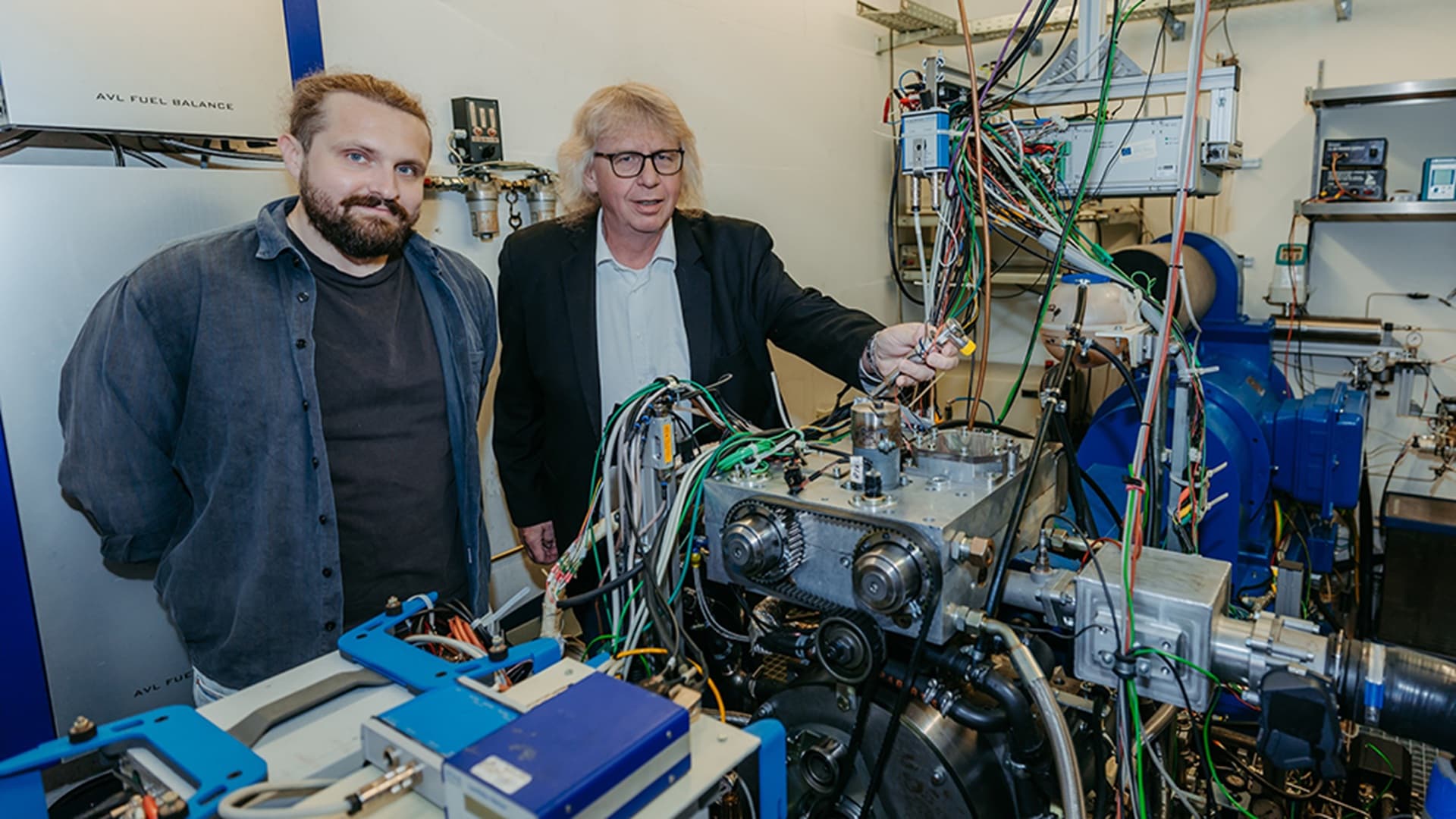
Researchers at Otto-von-Guericke University Magdeburg have developed a hydrogen cycle engine operating in a closed loop that achieves efficiency levels above 60 percent while producing zero emissions. The project, led by Professor Hermann Rottengruber and supported by Germany's Federal Ministry for Economic Affairs and Energy, utilizes a balanced mix of hydrogen, oxygen, and argon.
The engine's design reuses most working gases after each cycle. Hydrogen serves as the energy source, oxygen enables the reaction, and argon—a chemically inert noble gas—creates more controlled thermodynamic conditions. Unlike traditional combustion systems, the gas mixture is cooled, processed, and fed back into the cycle after each power stroke, with only specific byproducts removed.
Testing conducted with WTZ Roßlau gGmbH revealed the engine can deliver power levels comparable to diesel engines, making it particularly suited for heavy-duty applications including long-haul trucks, agricultural machinery, construction equipment, and stationary power generators. These sectors face challenges with battery-electric solutions due to weight, range limitations, and charging infrastructure requirements.
Rottengruber noted the closed-loop design could offer economic advantages through elimination of expensive exhaust treatment systems and high process efficiency. However, the concept faces limitations in power density and potential carbon dioxide accumulation from lubricant combustion. Leading marine propulsion manufacturers have already expressed interest in the technology.
Originally reported by Hydrogen Central. Read the full article →