

Asia Pacific Ports Develop Infrastructure and Cross-Sector Strategies for Hydrogen and E-Fuel Markets
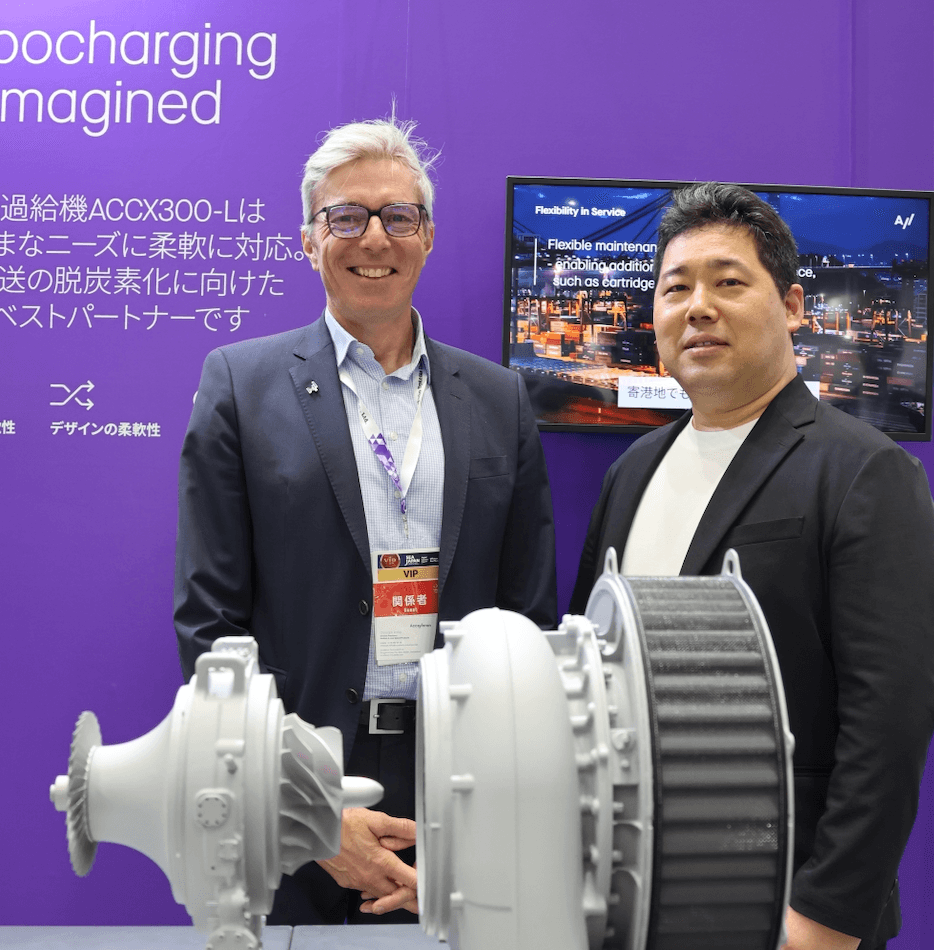
Asia Pacific ports are establishing foundational infrastructure for hydrogen and e-fuel markets by coordinating action across multiple industries, according to Accelleron, a technology leader in marine and energy sectors.
While dual-fuel vessels capable of running on methanol and ammonia are already operational, fuel production remains limited due to fragmented demand, high costs, and extensive infrastructure requirements. Industry leaders emphasize that successful e-fuel projects require combined demand from multiple sectors—such as power generation, chemicals, and heavy industry—which creates contracts large enough to justify infrastructure investment and distribute project risk.
Ports in Singapore, Yokohama, Busan, and Shanghai are advancing ammonia and methanol projects while developing safety frameworks and operational capabilities. The Port of Yokohama exemplifies this integrated approach, operating as one of Japan's designated Carbon Neutral Ports with 145 public-private partnership projects covering fuel supply chains, hydrogen infrastructure, and port decarbonization.
Across the region, a supply-demand architecture is emerging with ports assuming complementary roles as producers, connectors, receivers, or export sources based on their resources and geography. High-volume trade routes like Australia-Singapore-China are identified as practical pathways for early fuel deployment, while the Singapore-Rotterdam route represents a developing link between Asia Pacific's emerging systems and European demand.
Originally reported by Hydrogen Central. Read the full article →