

Aberdeen's Hydrogen Bus Fleet Discontinued After £13.9 Million Investment
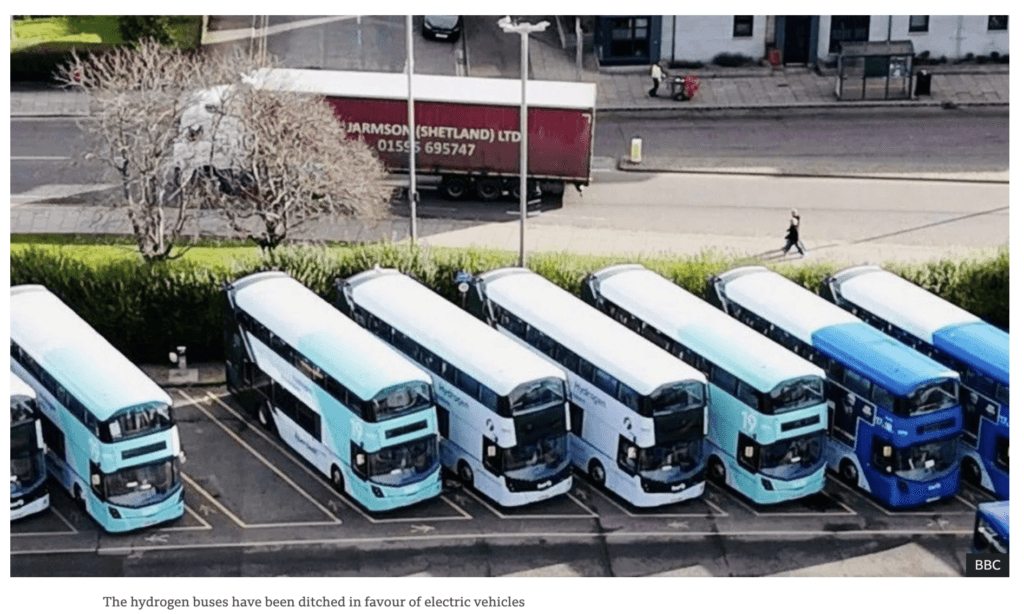
Aberdeen City Council has ended its hydrogen bus initiative, marking the conclusion of what was intended to be the world's first hydrogen double-decker bus fleet. According to a freedom of information request, the 25-vehicle fleet cost approximately £13.9 million to procure.
The buses were taken out of service in September 2024 due to problems with fueling stations at Kittybrewster and Cove. In February, the council's urgent business committee voted to abandon the project in favor of electric vehicles.
The council and BP formed a commercial partnership in 2022 to advance Aberdeen's hydrogen ambitions. However, battery electric bus technology has proven more viable. Cities including Glasgow and operators like Ember have deployed electric bus fleets, with improved battery capacity enabling quick overnight charging and extended daily ranges.
Scotland's hydrogen projects show mixed results. The H100 domestic heating trial in Fife involves 300 homes, though the UK Climate Change Committee has questioned hydrogen's role in heating. The Hyseas hydrogen ferry project for Orkney never progressed beyond design stages, though Norwegian partners advanced similar work. Aviation presents more optimistic prospects, with ZeroAvia planning a hydrogen manufacturing facility near Glasgow Airport, and Loganair indicating interest in hydrogen aircraft deployment once certified.
A key challenge remains that current hydrogen production from electricity requires significantly more energy than direct battery storage, with battery technology advancing rapidly.
Originally reported by Hydrogen Central. Read the full article →